
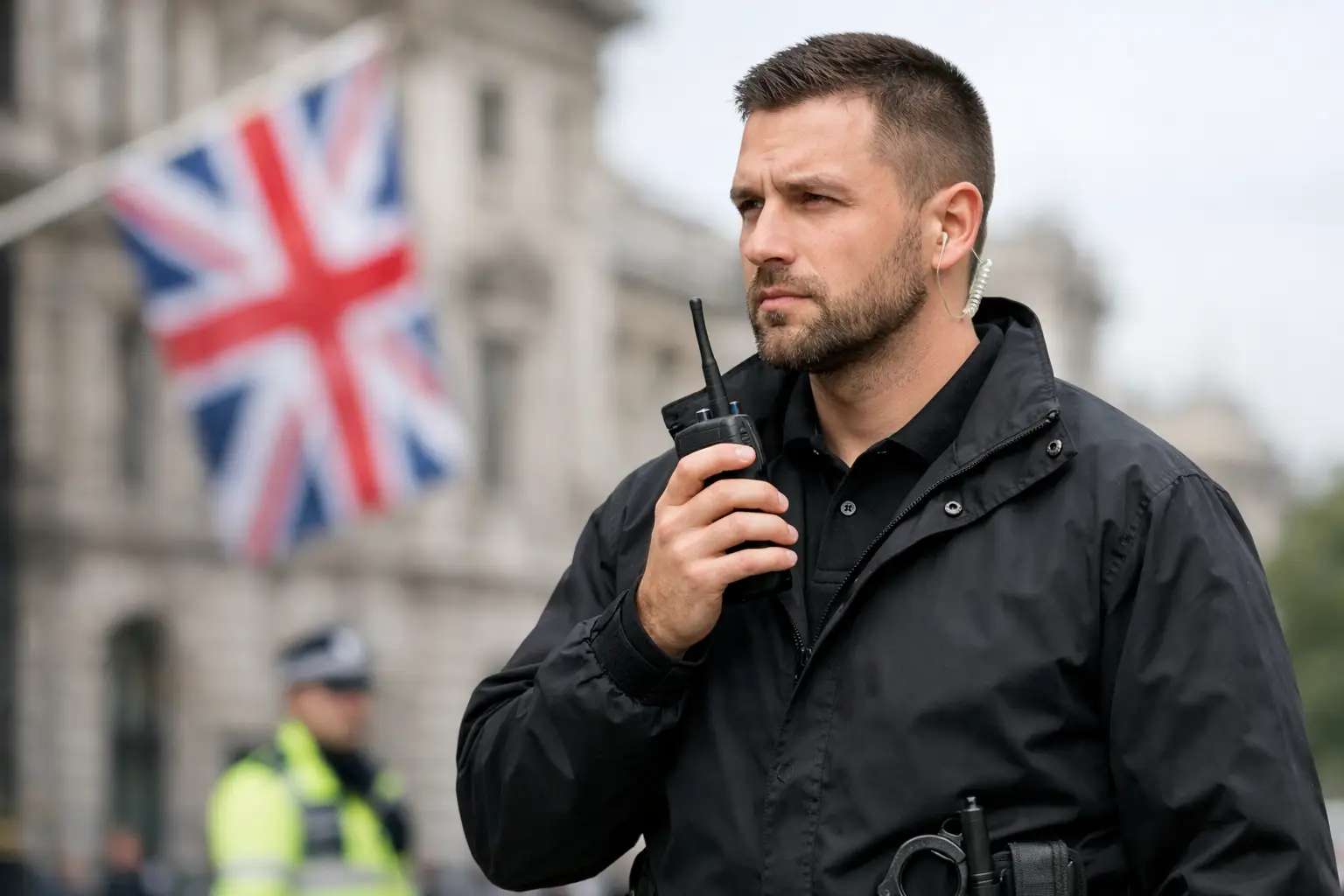
A venue needs cover for tonight. A friend says they can get you on the door, or a company offers you a trial shift before your licence comes through. It may sound like a quick way into work, but it can put both you and the employer at risk. If you are asking, can I work unlicensed security, the short answer is: not in a role that requires an SIA licence.
In Great Britain, many frontline private security jobs are regulated by the Security Industry Authority (SIA). You must hold the right licence before carrying out licensable duties. Completing a course or submitting an application is a major step, but it is not the same as having a licence granted.
When an SIA licence is required
An SIA licence is normally required where you are paid to carry out specific security activities. This includes work as a door supervisor, security guard, CCTV operator and close protection operative. The licence you need depends on what you will actually be doing, not simply the job title printed on an advert.
A door supervisor licence is typically needed for work at pubs, clubs, bars, events and licensed venues where you are screening customers, managing entry, dealing with refusals, handling incidents or helping to maintain order. It can also open up a wider range of guarding roles, which is why many people choose it when they want flexible job options.
A security guarding licence is generally needed for duties such as guarding retail premises, offices, warehouses, building sites or residential locations. Patrolling, access control, searching within your authorised role, preventing theft and responding to security incidents are all the kinds of responsibilities that can require licensing.
A public space surveillance licence is required where you operate CCTV for security purposes and monitor public spaces. This can apply in control rooms, shopping centres, transport environments and other sites where cameras are used to protect people or property.
The key point is simple: if the work involves licensable security activity, you need a valid SIA licence before you start doing it.
Can I work unlicensed security while my application is pending?
No. You cannot carry out licensable security work just because you have passed your training, received your qualification certificate or submitted your SIA application. You need to wait until the SIA has approved your application and issued your licence.
This waiting period can be frustrating when you are ready to earn. However, taking an unlicensed shift is not a shortcut. Working without the required licence can lead to prosecution, a fine and difficulty getting future work in the industry. Employers and contractors can also face serious consequences if they knowingly deploy unlicensed staff.
Be wary of anyone who tells you to wear a high-vis jacket, stand near an entrance or “just observe” while they sort the paperwork. If you are expected to control access, challenge people, patrol, intervene in incidents or carry out another licensable function, the legal position may not match the casual wording of the job offer.
Roles you may be able to do without an SIA licence
Not every job at a security company or venue needs an SIA licence. You may be able to work in a support role while preparing for a licensed position, provided you do not perform licensable duties.
For example, office administration, recruitment, customer service, scheduling, reception work with no security function, cleaning and general event support may not require an SIA licence. A role such as ticket scanning or stewarding can also fall outside SIA licensing in some settings, but it depends on the actual tasks. If you are asked to manage crowds, prevent unauthorised access or deal with confrontations as part of a security operation, you may be moving into licensable activity.
There are limited legal exemptions too. For instance, a person whose main role is not security may sometimes hold keys and respond to an alarm without needing a licence, as long as they are not carrying out security guarding activities. These exemptions are specific, not a general permission to work as an unlicensed guard.
Always ask the employer exactly what you will be expected to do. If the answers are vague, get clarification before accepting the shift. A reputable employer will understand why you are checking.
What about volunteering, work experience or a trial shift?
Being unpaid does not automatically make security work exempt. The rules can still apply where someone is carrying out licensable activity. Likewise, calling a shift “work experience” or a “trial” does not make it safe to put an unlicensed person on a door, patrol or CCTV desk.
A proper observation day, classroom exercise or supervised training scenario is different from being used as operational security. During training, you can learn conflict management, searching procedures, communication and emergency response in a controlled setting. On a live shift, the public, the client and your employer rely on staff being properly qualified and licensed.
The fastest legitimate route into security work
If your aim is paid work, focus on the route that employers recognise. For most people, that starts with an approved qualification for the licence they want.
Door Supervisor training is often the strongest option for new entrants because it covers practical workplace skills and can lead to jobs in venues, events, retail, corporate sites and front-of-house security. Security Guard training can suit learners focused on static guarding, patrols and site-based roles. CCTV Operator training is for people aiming to work in surveillance and control-room environments.
Your course should give you the required qualification, but choose training that also prepares you for real shifts. You need more than a pass certificate. Employers value people who can communicate calmly, write accurate reports, understand their boundaries, assess risk and treat members of the public professionally.
At BrotherzGroup, practical instruction is built around job-ready skills, with experienced trainers, fast certification support and a free exam resit guarantee. That reassurance matters if you are changing careers or need a clear route into regulated employment without unnecessary delays.
Your practical checklist before applying
Before you book a course or accept a job offer, check four things: which SIA licence the role requires, whether you meet the SIA’s application requirements, when the employer needs you to start, and whether the job description includes duties outside the advertised role.
You will usually need to complete the relevant qualification first, then apply directly for your SIA licence. Identity and criminal record checks form part of the application process. The SIA considers each application on its facts, so a past conviction does not always mean an automatic refusal, but you should be honest and seek current guidance before spending money or accepting a role.
Once licensed, keep your details up to date and understand the renewal requirements. An SIA licence is not a one-time hurdle. Staying compliant protects your ability to work and helps employers trust you with better opportunities.
Why employers check licences carefully
For a legitimate security employer, checking licences is not paperwork for paperwork’s sake. It protects clients, customers, staff and the reputation of the business. A licensed operative has completed recognised training and passed the checks required for the role.
It also gives you a clearer professional standing at work. When you are dealing with a refused entry, a shoplifting incident, an aggressive customer or a vulnerable person, you need the confidence to act lawfully and proportionately. Good training helps you understand when to intervene, when to call for support and how to record what happened.
Some people worry that getting licensed will take too long. In reality, the right course and a well-prepared application are the most reliable way to move towards regular work. Trying to cut corners may cost you the job, your money and your future options in security.
Choose a role that matches your work goals
Security is not one job. Door supervision may suit you if you are comfortable working evenings, weekends and busy public-facing environments. Static guarding can offer site-based work in offices, retail, construction or logistics. CCTV work may appeal if you are observant, confident with procedures and able to stay focused for long periods.
Pay, shift patterns and available roles vary by location, experience, employer and responsibilities. A licence does not guarantee a job on its own, but it is the essential starting point for the regulated roles that most new entrants want.
If you are ready to enter security, build your career on the qualification and licence employers expect. It gives you a lawful route into work, stronger confidence on shift and a far better answer when the next opportunity comes up.
Leave a Reply