
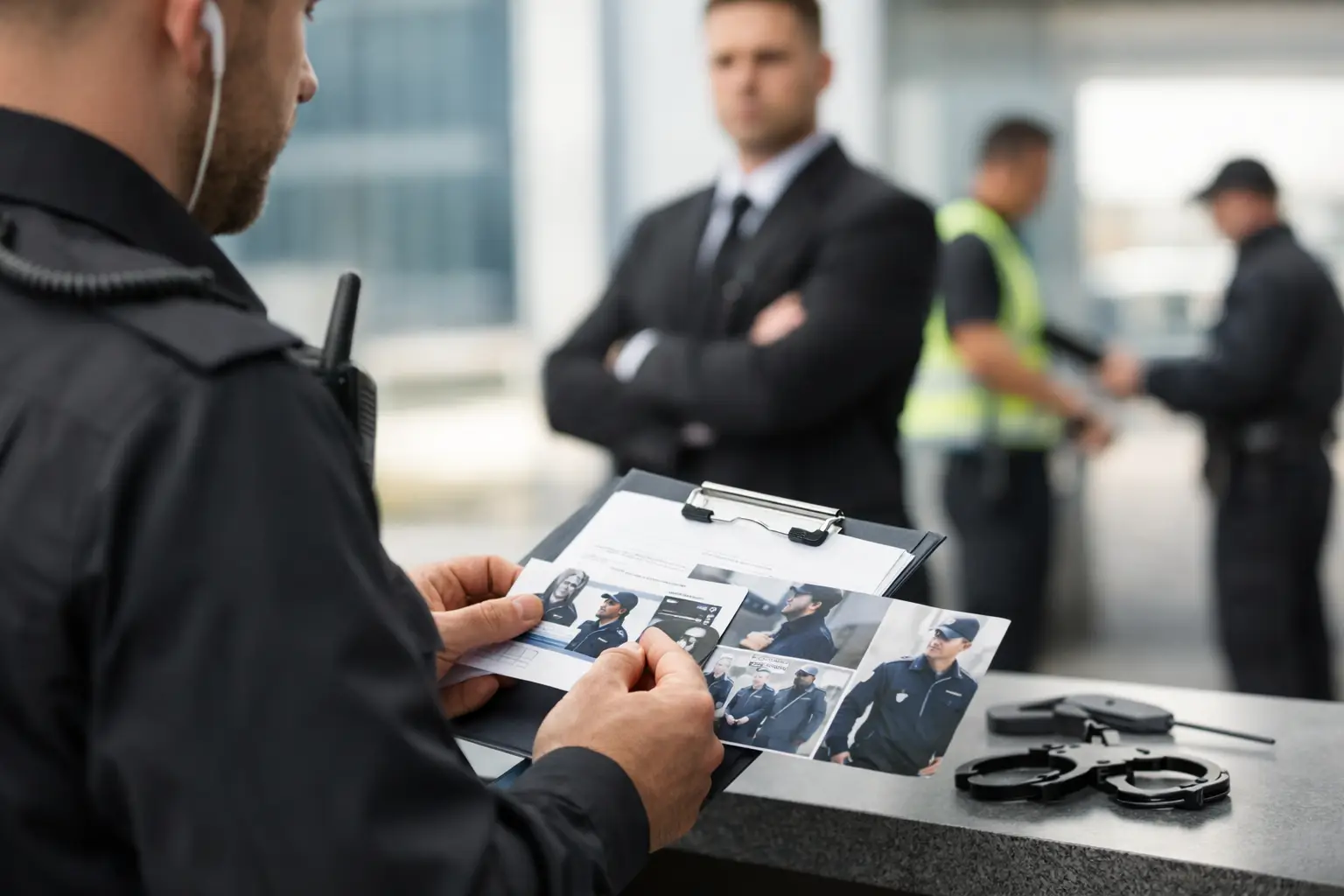
A security job can be closer than you think, but the right role starts with the right qualification. SIA courses give you the recognised training needed for licensed work across venues, shops, offices, events and public spaces. Choose well and you will not just meet a requirement – you will build practical confidence for the shifts employers need covered.
The best course is not always the shortest or cheapest one. It depends on the work you want to do, the licence you need and whether you are entering security for the first time or renewing an existing licence. Understanding the difference before you book can save time, avoid repeat training and put you on a clearer route to paid work.
SIA courses: choose the role before the classroom
The Security Industry Authority regulates frontline security licensing in Great Britain. Before working in a licensable role, you normally need an approved qualification and then must make a separate SIA licence application. Passing a course is a major step, but it does not automatically issue your licence.
For most new entrants, the choice comes down to Door Supervisor training, Security Guarding training or CCTV Operator training. Each is aimed at a different type of job. A refresher course is for licence holders who need the current required training when renewing, rather than for someone starting from scratch.
Think about the environment as well as the job title. If you see yourself working doors at a busy venue, supporting event security or dealing with access control where conflict may arise, Door Supervisor training is usually the strongest starting point. If you prefer patrols, reception security or monitoring a business premises, Security Guarding may fit better. If your focus is a control room and live cameras, CCTV training is the relevant route.
Door Supervisor training
Door Supervisor is one of the most versatile SIA qualifications. It can lead to work in pubs, clubs, events, retail, corporate buildings and hospitality settings. Because the role can involve refusing entry, managing queues and responding to incidents, training includes more than checking IDs at a doorway.
You will cover the legal responsibilities of a security operative, protecting people and property, communicating professionally and handling conflict. Physical intervention training is also part of the Door Supervisor pathway, with a strong focus on safety, necessity and proportionate action. The aim is not to make situations physical. It is to help you recognise risk early, communicate clearly and use the right response.
This route often offers wider job options than Security Guarding alone. That flexibility matters if you want to apply for varied shifts while building experience. It also requires a serious approach. Employers expect door staff to remain calm under pressure, write accurate reports and treat members of the public with respect.
Security Guarding training
Security Guarding is suited to roles where the main focus is protecting premises rather than managing licensed-door activity. Typical jobs include retail security officer, concierge or reception security, gatehouse operative, patrol officer and warehouse security.
The training covers core subjects such as the responsibilities of security staff, access control, patrols, searching principles, incident reporting and customer service. Good guarding is often quiet, observant work. You may be the first person a visitor meets, the person spotting a safety issue on a patrol, or the colleague who gives clear information when something goes wrong.
It can be a good choice if you want a more site-based role. However, it does not provide the same scope as Door Supervisor training for work at licensed premises. If you want the broadest choice of frontline roles, compare both courses carefully before deciding.
CCTV Operator training
CCTV Operator training is designed for people who want to work with public space surveillance systems. The job can involve monitoring live footage, identifying suspicious behaviour, communicating with colleagues or emergency services and keeping clear records of incidents.
This is not simply a course about using cameras. CCTV operatives need to understand privacy, data protection, operational procedures and the importance of accurate evidence. Attention to detail is essential. A missed time, unclear log entry or poor handover can affect how an incident is handled.
CCTV can suit learners who are comfortable concentrating for long periods and making careful decisions from a control room. Some people add it to another security qualification to widen their opportunities, while others choose it as their main route because the working environment better matches their strengths.
When a top-up refresher course is the right option
If you already hold an SIA licence, do not assume you can renew it without further training. Licence renewal requirements can change, and refresher qualifications are designed to bring existing operatives up to date with current knowledge and skills.
A Top-Up Refresher course is not a shortcut for a first-time learner. You will normally need to hold the relevant existing qualification and meet any current entry requirements before enrolling. Door Supervisor refresher training may include updated physical intervention content, while other licence-linked refresher routes focus on the skills required for that role.
Check your licence expiry date early. Leaving training and renewal preparation until the final weeks can put your ability to work at risk. Give yourself enough time for the course, results, certificate and SIA application process. Requirements and processing times can vary, so planning ahead is part of staying employable.
What practical SIA training should give you
A recognised certificate matters, but it should not be the only thing you take away from training. Security work is people-facing work. You need to know what to do when a customer is angry, when a visitor refuses instructions, when an alarm is activated or when you are asked to record an incident properly.
Look for training that uses realistic scenarios, not just slides and textbook answers. Experienced instructors can explain how procedures work during a real shift, from completing a handover to speaking to police, venue management or vulnerable members of the public. That practical context helps learners who may be new to regulated work in the UK.
It is also worth asking how assessment works, what identification you need to bring and when you can expect your results and certificate. Fast results are useful when you are ready to apply for work, but quality teaching and proper preparation still come first. A free exam resit guarantee can provide reassurance, especially if you have been out of education for some time, but it should sit alongside structured support rather than replace it.
How to choose a provider with confidence
Start by confirming that the qualification is appropriate for the licence and role you want. Then consider whether the course timetable works with your current job or family commitments, and whether the training location is practical to reach. A lower price can lose its value if it means missed sessions, unclear support or delays when you need your certificate.
Ask what support is available before and during the course. Clear joining instructions, friendly administration and trainers who can explain difficult subjects in straightforward language make a real difference. At BrotherzGroup, the focus is on job-ready learning, practical instruction and giving learners a clear view of the work their qualification can lead to.
Finally, be honest about your own strengths. Door work may offer variety but can involve late nights and difficult conversations. Guarding can be more routine but often demands vigilance during long shifts. CCTV needs sustained concentration and careful reporting. The right choice is the role you can perform professionally, reliably and with confidence.
Turn your qualification into a job plan
Once you have completed your course and received the required qualification, prepare for the next stage rather than waiting for opportunities to appear. Your licence application, right-to-work documents, identification and CV should be organised. On your CV, highlight relevant strengths such as customer service, communication, first aid, retail work, hospitality, construction site experience or previous responsibility for safety.
When applying, read each advert closely. Some employers want Door Supervisors for event work, while others need retail officers, corporate reception staff or CCTV control room operatives. Be clear about the licence you hold and the shifts you can work. Reliability, presentation and a professional attitude are often as valuable to an employer as previous security experience.
The qualification opens the door, but your conduct keeps it open. Choose training that prepares you for real situations, complete your licence steps carefully and approach your first role ready to learn from every shift.
Leave a Reply